
“Unpaid Resilience: The Emotional Cost of Economic Survival for Black Women”
By: Dr. Victoria Shedrick, LPC
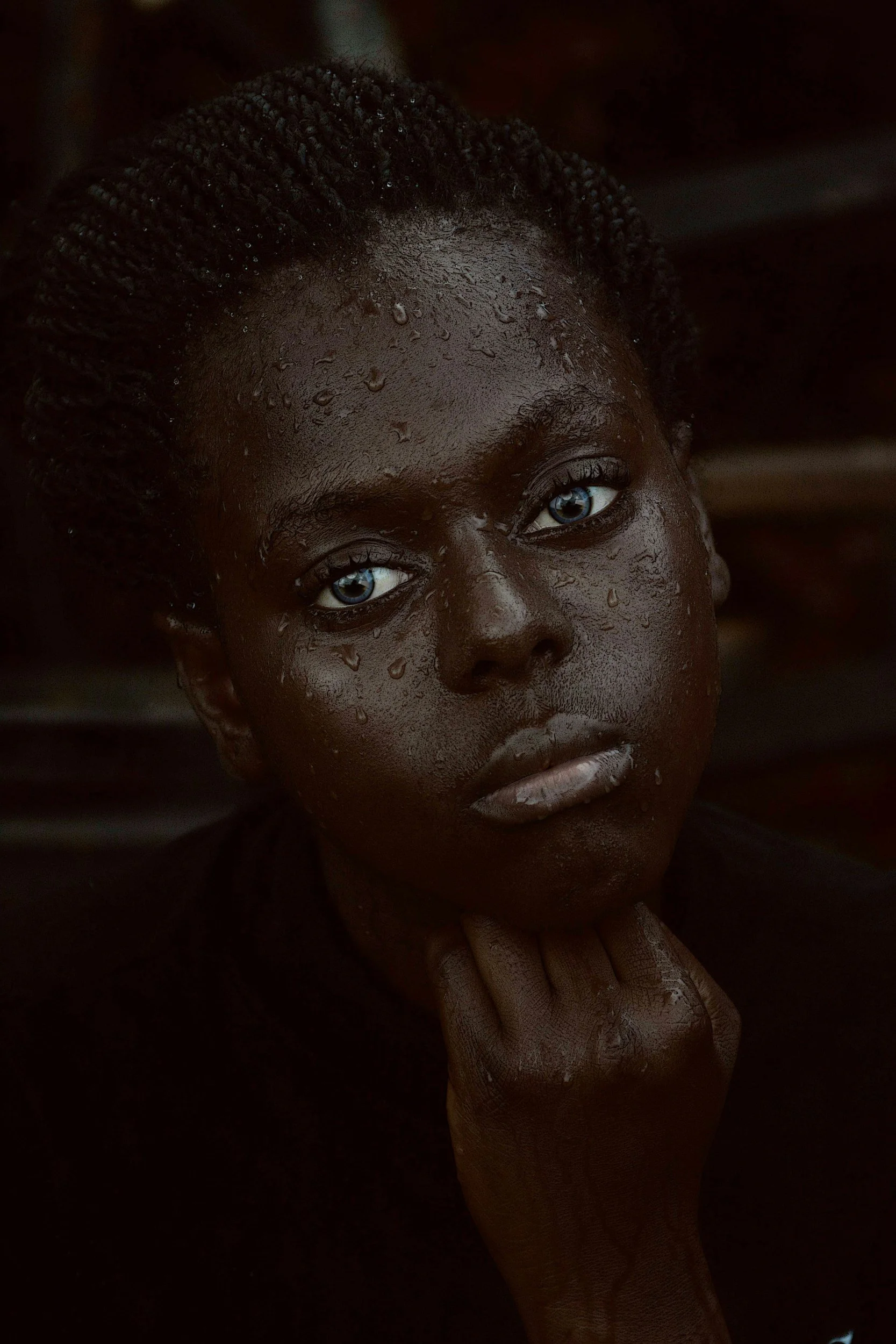
Despite being resilient, educated, and driven, Black women are currently facing economic exclusion and instability. “Unpaid resilience” is our ability to endure, adapt, and persevere without the financial or emotional returns we deserve. According to an analysis by the Economic Policy Institute (2026), Black women suffered some of the largest employment losses in 2025—approximately 600,000 being pushed out of the workforce. In early 2026, economic analysts cited in Fortune magazine that the U.S. is now short roughly 1 to 1.5 million jobs. These numbers point to the scarcity of opportunities, leaving Black women to fight yet again for a seat at the table. Even with decades of progress, education, and experience, there is still no guaranteed stability or inclusion for Black women. Many are now building their own tables through business ownership, yet survival feels harder than ever. We are resilient, but it hasn’t paid off. We are still striving, still pushing, yet financially and emotionally exhausted.
The Emotional Mental Toll
In this current economic state, there is pressure to produce and perform—the constant need to job hunt, promote, market, show up, and be on. When ambition is no longer affirmed and effort doesn’t produce income, there is disappointment, shame, exhaustion and a depleting self-worth. Every day feels like a test you must pass—another opportunity to prove yourself. This constant state of survival is a familiar experience for many Black women. For some, it’s part of their past trauma—struggle that lives on in negative self-talk that whispers, “I’m not doing enough”, “I’m failing”, “This is just too much for me”. The defeats are deeply personal. Every job rejection, missed opportunity, or business flop feels like the world is collapses around you. I recently saw a post online where a Black woman was transparent about her struggles to maintain her business. She described feeling mentally exhausted and specifically asked her followers to support with online sales, as traveling to pop-up events had become too much of a burden. Her words carried shame and embarrassment; however, the comment section became her mirror. She wasn’t the only one. There are countless Black women publicly announcing the closure of businesses they have loved and created from scratch, because the cost of staying open outweighs the profit. These decisions are not only difficult to make, but come with great emotional grief.
Shifting from Hustle Culture and Preventing Burnout
Although society continues to encourage hustle culture, it has become increasingly evident there’s no real benefit. The anti-hustle approach requires the four R’s—reflection, reframing, redefining and replacing.
The 4 R’s
Reflection is needed to assess your capacity, set limits, and acknowledge your need for rest. Rest is not only essential to regulating an overworked nervous system, but can serve as an act of radical resistance.
Reframing rest, stillness, and boundaries are revolutionary acts in a system that thrives on burnout. Unlearning scarcity, and shifting thoughts from “I must do everything” to “I am doing enough” are other healthy reframes.
Redefining success is essential to detaching your self-worth to performance and/or financial gains. Success shouldn’t be measured by the number in your bank account—peace is the new currency. What you also must remember is that you’re still the same woman that accomplished, achieved and overcame adversities. No job lay-off or business set-back changes that. Over time, you just may discover that these unexpected shifts were necessary to shape you into the woman you’re becoming.
Replacing self-blame with realism is where you can unburden yourself. Your struggle is not proof of inadequacy; it’s proof of your effort in an inequitable system. You are not failing; you are trying to survive in an economy that is not equipped to support you.
Empowerment through Community
If you are one of the 600,000, or one of many Black women struggling to find your footing in this economy, then your greatest ally is the Black woman next to you. Now is the time for us to rely upon our collective powers versus our individual ones. Connecting with other Black women for collaboration, mutual support or co-promotion is the kind of resilience that benefits everyone. If you can’t find a safe community of women, then it just may be your time and purpose to create one. We have to create our own safe spaces in the same way we are striving to create our own opportunities. And we don’t have to create from a place of scarcity; we simply create because we can. It is our inherited legacy. We stand on the shoulders of ancestors who’ve already shown us how to survive in hard times. They paid the ultimate cost, so that we can reap the reward.
About Dr. Victoria Shedrick
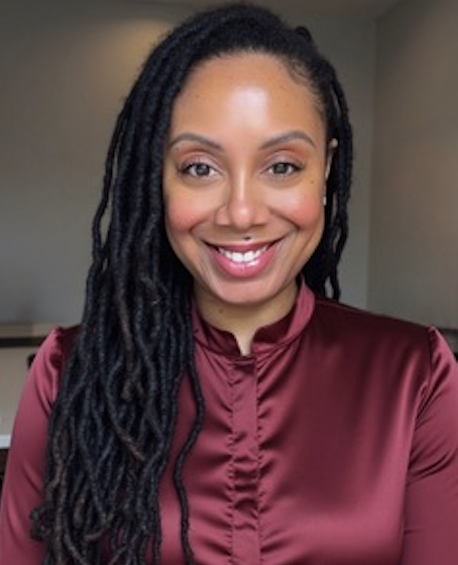
Dr. Victoria Shedrick is a licensed mental health therapist, writer, and educator with 25 years of experience within the mental health field. She creates books, guided journals, and digital resources that inspire healing, emotional wellness, and spiritual growth—helping readers navigate life, faith, and self-discovery. To connect with her, you can follow her on these platforms. Website: www.drvictoriashedrick.com IG/Facebook: @keycounselingcc TikTok: @ dr.v_godandtherapy
References
Economic Policy Institute. (2026, February 9). Black women suffered large employment losses in 2025—particularly among
college graduates and public-sector workers. Economic Policy Institute. https://www.epi.org/blog/black-women-suffered-large-
employment-losses-in-2025-particularly-among-college-graduates-and-public-sector-workers/
Ma, J. (2026, February 13). Top analyst warns the economy is figuring out how to grow without creating new jobs, leaving a
major vulnerability. Fortune.