
Breaking Cycles: What I've Learned About Trauma, Healing, and Hope
Located in Hot Springs, Montana
Why do some people work incredibly hard to heal and still feel stuck? For a long time, I thought healing happened mostly through understanding. If people could make sense of what had happened to them, surely things would get better. Sometimes they did. Sometimes they didn't. One of the things I appreciate most about this field is that we're always learning. Research continues to deepen our understanding of trauma, and today we know something that helps explain why insight alone isn't always enough. Trauma doesn't just affect our thoughts or memories. It also affects our nervous systems and our bodies.
When someone has lived through chronic stress, abuse, neglect, addiction, violence, or overwhelming loss, the body adapts to survive. It learns to stay alert. It learns to protect. Even years later, when life has become safer, the nervous system may still respond as though danger is just around the corner. When I explain that to clients, I often see relief wash over their faces. Many have spent years believing something was wrong with them. Instead, they begin to understand that their bodies have been trying to protect them all along.
That's a very different conversation, it's also why I believe so strongly in including somatic work in trauma treatment. Somatic simply means recognizing that our minds and our bodies are connected. We can't always think our way out of survival mode. Sometimes healing means helping the body experience safety again through grounding, breathwork, movement, creativity, mindfulness, time in nature, and learning to notice what our nervous system is trying to tell us.
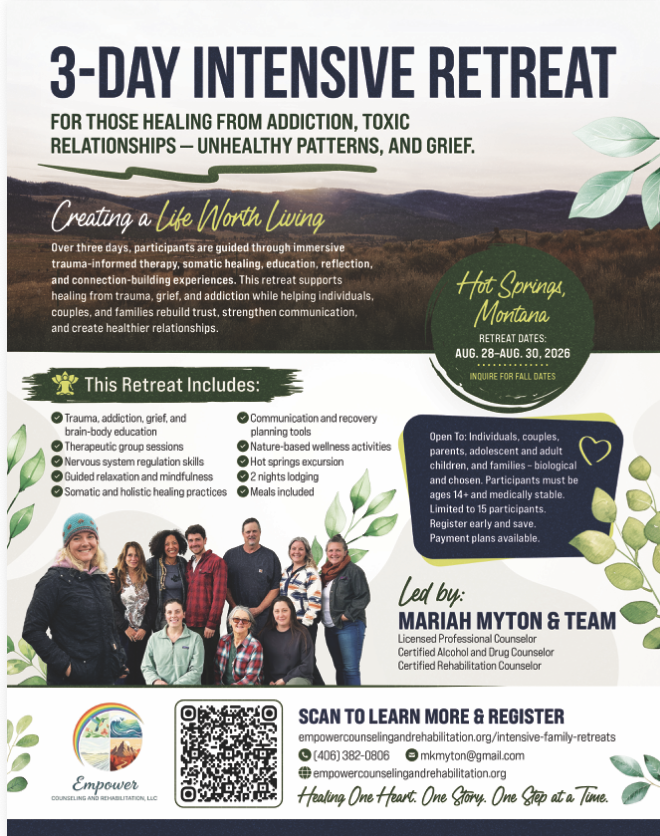
Retreat Dates Aug 28-Aug 30, 2026
One client in particular will always stay with me. They had lived with complex trauma for more than fifty years. They had done the work. They had been in therapy, understood their story, and wanted so badly to move forward. Yet they still felt like their body was carrying everything they had survived. When we began incorporating trauma resilience and somatic processing into our work, something shifted. I'll never forget their face when they felt the healing start taking place at a somatic level-they were able to literally feel again after years of dissociation. Their story didn't disappear overnight, and I would never suggest that healing is that simple. But over time, as they continued practicing those skills, their PTSD went into full remission. Their physical health improved, and they began experiencing life in a way they hadn't in decades. That experience reinforced something I had already begun to believe. Healing often happens when we include the body, not just the mind.
Of course, every person's healing journey is different. There is no single approach that works for everyone, and there are no quick fixes. But experiences like that are one of the reasons I believe therapeutic retreats can be so powerful. They create something many of us rarely have anymore...time. Time to slow down. Time to understand what's happening in our brains and bodies. Time to practice new skills, connect with others, spend time in nature, and begin experiencing safety instead of constantly surviving.
Another idea that has profoundly shaped both my personal life and my work is post-traumatic growth. That doesn't mean trauma is a gift or that everything happens for a reason. Some losses will always hurt, and some experiences should never have happened. What it does mean is that healing can open doors we never imagined. I've watched parents make different choices for their children than the ones they experienced growing up. I've watched survivors become advocates-including myself. I've watched people discover strengths they never knew they had and find purpose in places they once only felt pain. I've witnessed that growth in many of the people I've had the privilege to serve. I've experienced pieces of it in my own life too.
As I prepare to welcome people back to the Flathead Reservation where I was born, I realize these retreats represent more than a professional milestone. They are the fulfillment of a dream I've carried for more than ten years, and they are part of my own healing journey as well. Coming home has reminded me that our stories don't have to end where they begin, we get to keep writing them. My hope is that people leave this article remembering one thing: healing is possible. Whether someone finds that healing through therapy, a support group, faith, time in nature, meaningful relationships, creative expression, a therapeutic retreat, or a combination of many different paths, I hope they keep going. Because when one person begins to heal, the impact reaches far beyond that individual. It touches partners, children, grandchildren, friends, and entire communities. That's how cycles begin to change. Healing doesn't erase our past. It changes what we carry forward.
And I can't think of more meaningful work than helping people discover that hope is still possible. Remember...you are enough, you are strong, and you are loved.
With Gratitude,
Mariah
About Mariah Myton, LPC, CADC-I, CRC:
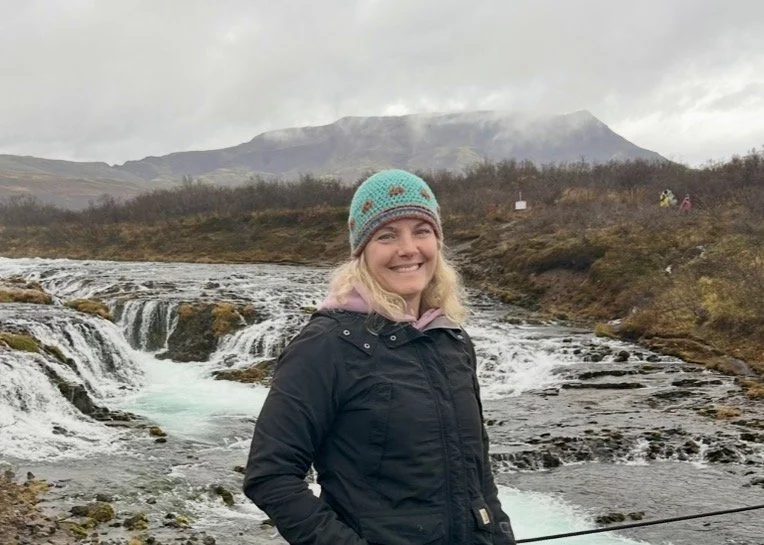
Mariah is the founder of Empower Counseling and Rehabilitation, LLC and has worked in the behavioral health field since 2009. She specializes in trauma, addiction, grief, and relationship healing through trauma-informed, attachment-based, and somatic approaches. Mariah has served individuals, families, and Tribal communities throughout Montana and Oregon and is passionate about helping break cycles of intergenerational trauma. Drawing from both professional expertise and lived experience, she created Intensive Therapeutic Healing Retreats to provide a compassionate, immersive space where people can reconnect, heal, and move forward with hope. Visit the website here to join and participate in the this amazing retreat.