
Mental Health Conundrum Reclaiming the Power of Self-Knowledge
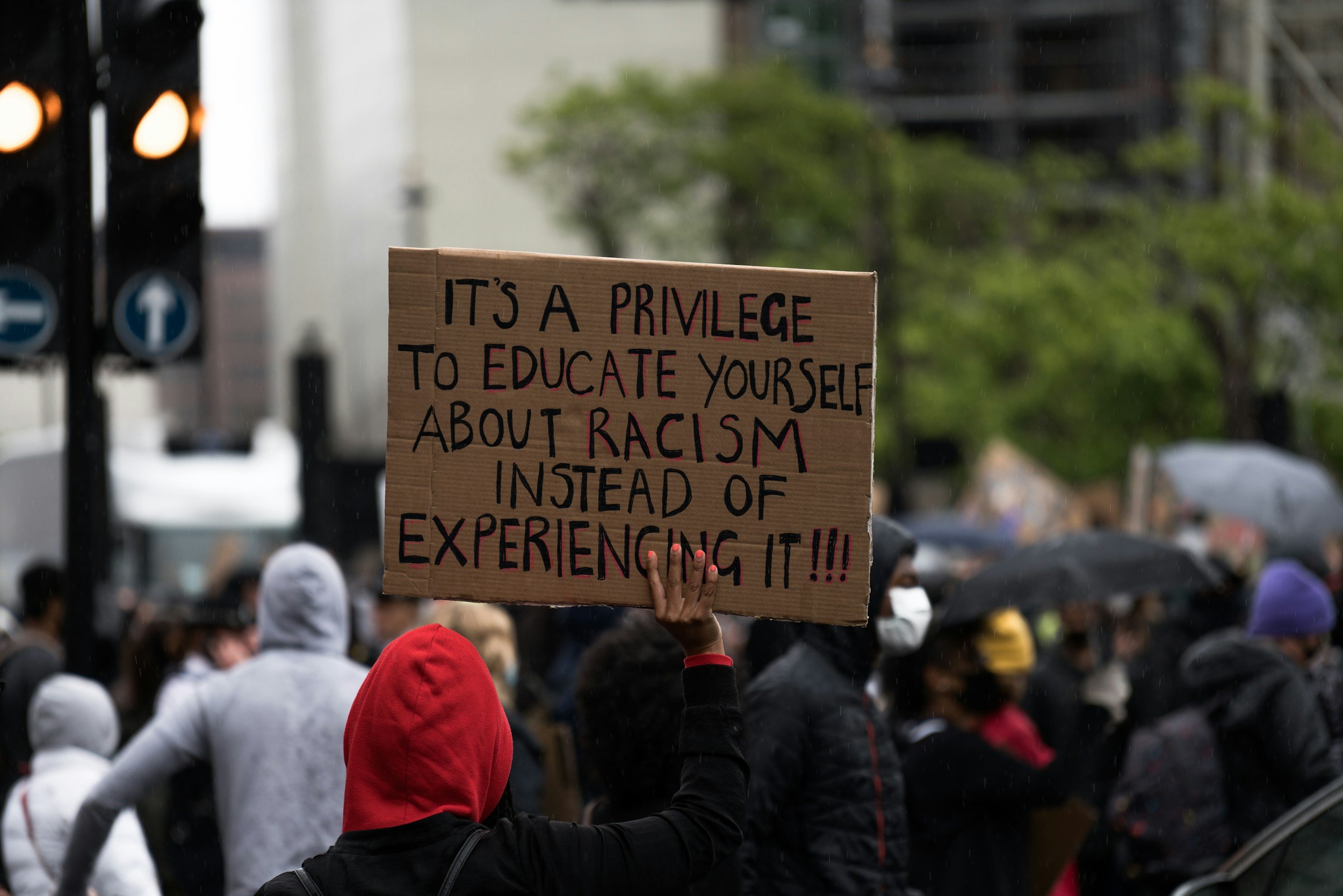
In the context of cultural heterogeneity and intersectionality within intersectional Black communities that identify the Maafa, i.e., transatlantic slave trade and enslavement, as a source of historical and intergenerational trauma, there is a prevalence of fractured identities, profound grief, collective pain, and psychosocial maladjustments. Against this backdrop, the perceptions, ideas, and experiences of mental health—as both a lived experience and an infrastructure of psycho-clinical, psycho-therapeutic intervention and treatment—illustrate longstanding tensions between structurally imposed (oppression and hegemony) and naturally defined (ancestral origins) paradigms. The widespread use of clinical terminology, diagnostic symptom descriptions, and the overuse of labels reflecting neurological, psychosocial, emotional, and behavioral conditions permeate physical and digital spaces that exert a massive influence on consciousness. Even in therapeutic and clinical settings, people of African descent are inundated with terminology, definitions, and descriptors that derive from a theory and approach that do not center on their cultural foundations: their conceptual universe and worldview. The result is a diminished power to explore and integrate their own definitional systems within the context of service delivery and treatment planning, rendering their voices impotent and, consequently, futile and invalid. Such intended or unintended consequences of controlling ideas, concepts, and experiences of mental health reflect historical continuity, seen in the pathologizing of “runaway” enslaved behavior, the pathologizing of homosexuality, or the restriction of traumatic stressor sources to death, injury, or sexual violence.
At an exponential rate, parameters shrink. Perspectives narrow, and the worldview distorts. In turn, consciousness fractures, especially in the will to manifest self-determination. This severely reduces the capacity to perpetuate self-interests. In other words, the depoliticization and decontextualization of mental health disable, disengage, and alienate Black people from their own self-healing capacities. These include naming their conditions, centering their realities, trusting in spirit and spirituality, and maintaining balance and harmony within themselves and within a communal-kinship context. A core challenge in mental health is the loss of self-knowledge. Ancestral, historical, and cultural roots that shape understanding and identity become severed. Mainstream mental health discourse—from policy to clinics—often ignores the sociopolitical context, rooted in historical Euro-American domination, land seizures, and cultural dispossession. This approach overlooks how cultural continuity, dignity, and self-concept are disrupted among Black, African, and indigenous communities.
The focus on surface symptoms, rather than the eco-systemic and cultural context, obscures the complexity of Black/African mental health compared to that of other groups affected by White Supremacy. Also, historical trauma, ongoing dehumanization, and distorted representations in art, media, literature, academia, and law reinforce narratives of Black inferiority and the normality of Whiteness (beliefs, attitudes, values, behaviors, etc.). When Black/African people worldwide present distrust or disillusionment with medical, mental health, private, or governmental helping agencies—or when research reflects disproportionate help-seeking behaviors—the issue goes beyond access, quality of care, barriers, or provider cultural competency. What is subtly communicated is a belief in communalistic ways of being and knowing; a value for self-preservation and reclamation of life story, historical consciousness, and perspective; a desire for autonomy and agency to find belonging outside non-culturally aligned institutions; and an intention to conserve space for intergenerational, cultural healing.
The principle of : To Know Thyself focuses on revitalizing and reclaiming ancestral traditions and wisdom, resisting the impact of colonialism and cultural assaults. This challenges us to confront the realities of survival, develop the language to name and define our experiences and conditions, and find the deeper meaning of our roles and responsibilities as ever-evolving human beings. Ancient African philosophy teaches that humanity’s goal is to continually improve and perfect human character, striving to become fuller human beings, and utilize the divine concept of, Maat which is to maintain harmony and balance with all expressions of life. The Afrocentric perspective deeply respects and values contextualization, pattern and theme identification, consultation with ancestral wisdom and cultural knowledge, and meaning-making to constitute a coherent reality that comprises materiality and spirituality, i.e., visible and invisible. It has been scientifically proven by archaeologists, anthropologists, and historians of antiquity that black and African people of the world have cultural unity that transcends the pigmentation of melanin and the geographical dispersion affected by European colonization and the institution of chattel enslavement.
Non-immigrating Africans in the Americas and the Caribbean/West Indies are the psycho- socio-cultural regeneration or reincarnation of indigenous traditional African culture. The proclivity for harmonious relationships and transcendence through extendedness underlies the vitality of collectivity in Black/African family, community, and societal systems. Belief in the interconnection and interrelatedness between humanity, nature, and the cosmos is fundamental to a collectivistic African cultural worldview. Including the use of metaphors, symbols, oratory, and lore as customary modalities of socialization and education. And high regard for musicality, rhythm, and verve that invokes spirit, memory, remembrance, and Oneness with ancestors, family, kin, community, and place. All of which signify the continuity of cultural retentions and linguistic connections between diasporic and Continental African people, with varied ethnic and cultural nuances. The thrust toward community-centeredness is evident in the annals of Nile Valley civilization- building. It appears in the development of Black settlements, towns, cities, business districts, churches, and freedom schools. It is also evident in the creation of Black-owned neighborhood businesses and shops, as well as in social and political organizations. There is a wealth of historical evidence showing that Black/African unity poses a threat in the face of systemic racism, oppression, and assaults on humanity. The principles of family and kinship continuity come from matrilineal social order and complementary male-female relations. Continuing this theme of interconnectedness, harmony, rhythm, and Oneness, these qualities guide interactions within the self, family, community, society, nature, and the cosmos.
This understanding shows that reality is structured physically, socially, and metaphysically. Within such a framework, a shared ethos of spirituality emerges regardless of spiritual orientation, religious beliefs, rituals, indigeneity, cultural nuances, or colonial influences. Accordingly, reprioritizing the divine ideals and principles of communalism, consubstantiation, and Oneness supports collective harmony and the growth of a positive, holistic self-concept. This holistic self- concept and transcultural identity reinforce Black/African unity by connecting cultural unity with intersectional African diasporic identities shaped by the Maafa. Ultimately, this shift in thought, cultural rootedness, and identity can transform cultural mis orientation—and the resulting alienation—into a more congruent way of living, knowing, relating, and becoming.
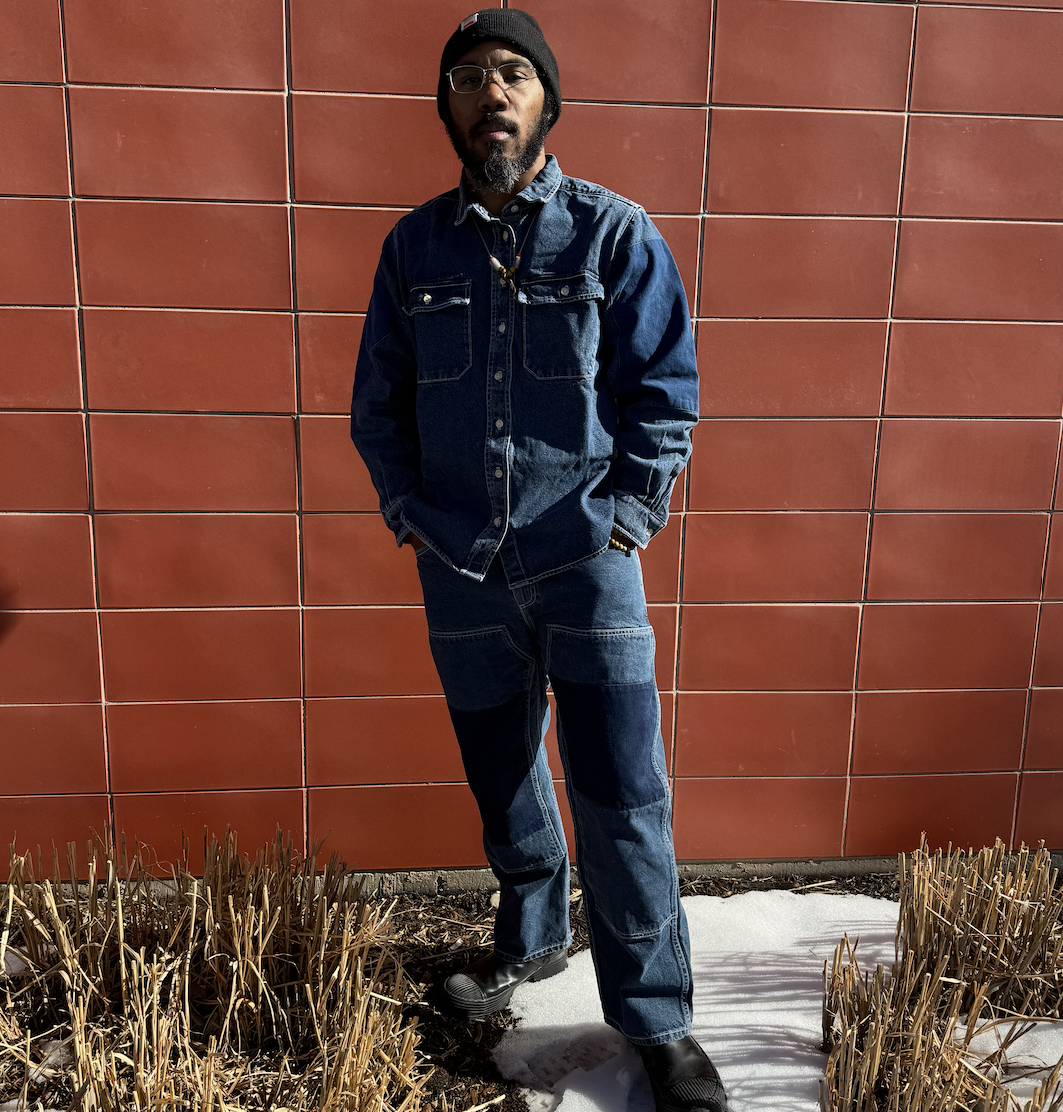
Brother KD Toon, a father, husband, an Afrocentric cultural scholar, and a master of social work, applies an interdisciplinary focus to liberation studies that center on an African-centered worldview, history, culture, and experience. As a descendant of African ancestry in the diaspora, KD's lifelong dedication is to illuminate, restore, reclaim, and revitalize the African mind and spirit. Currently, KD is continually developing and refining the Liberation Social Work™ framework for Personhood development through pedagogy,